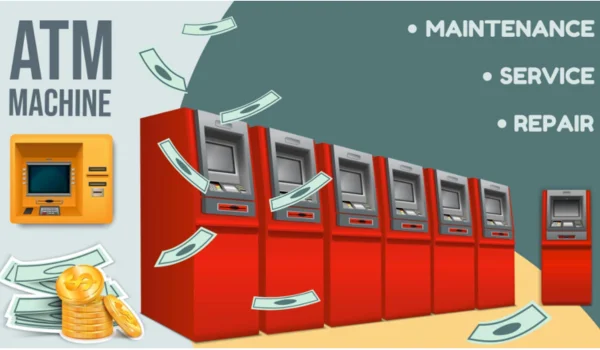
Businesses and financial institutions depend on ATMs to provide uninterrupted access to essential banking services. Whether installed in retail stores, commercial buildings, transportation hubs, or financial centers, ATMs are expected to function reliably around the clock. This makes ATM machine service a critical part of maintaining operational efficiency, ensuring security, and delivering a seamless customer experience.
Routine maintenance goes far beyond fixing machines after they stop working. Preventive servicing helps identify potential issues before they become major failures, reducing downtime and extending the lifespan of ATM equipment. As ATM technology continues to advance, professional servicing has become increasingly important for ensuring compliance, protecting sensitive financial data, and keeping machines operating at peak performance. Regular preventive maintenance has been shown to improve ATM reliability, reduce unexpected failures, and enhance customer satisfaction.
Why ATM Maintenance Is Essential
ATMs perform thousands of transactions throughout their operational life. Continuous usage can lead to wear and tear on components such as cash dispensers, card readers, printers, and touchscreens. Without regular inspections, minor issues can gradually develop into costly repairs.
Scheduling ATM machine service at regular intervals helps maintain machine performance while minimizing the risk of unexpected breakdowns. Preventive maintenance also supports compliance with industry security standards and ensures that customers have uninterrupted access to banking services.
Common Services Included in ATM Maintenance
A comprehensive ATM maintenance program typically includes several important services designed to keep machines operating efficiently.
Preventive Maintenance
Routine inspections help technicians identify worn components before they fail. Preventive servicing often includes cleaning internal mechanisms, checking sensors, inspecting cash dispensing units, and verifying network connectivity.
Software Updates
ATM software requires regular updates to improve system stability, enhance security, and maintain compatibility with banking networks. Keeping software current also helps address newly identified cybersecurity risks.
Hardware Inspection
Technicians inspect essential components including:
- Card readers
- Cash dispensers
- Receipt printers
- Display screens
- Keypads
- Power supply systems
These inspections help ensure reliable performance and reduce the likelihood of service interruptions.
Benefits of Regular ATM Servicing
Improved Reliability
One of the greatest advantages of routine ATM machine service is improved operational reliability. Machines that receive scheduled maintenance are less likely to experience unexpected failures during peak usage periods.
Consistent servicing also helps reduce transaction errors and improves customer confidence in self-service banking.
Enhanced Security
Modern ATMs require ongoing security monitoring and software maintenance. Service technicians regularly inspect machines for signs of tampering, verify encryption systems, and install software patches that address emerging security vulnerabilities.
Maintaining updated security systems plays an important role in protecting customer information and ensuring safe financial transactions.
Longer Equipment Lifespan
Replacing ATM equipment represents a significant investment. Regular maintenance helps preserve key components, reducing wear and extending the useful life of the machine.
Preventive servicing also lowers the frequency of major repairs, resulting in more predictable operating costs.
Signs an ATM Requires Immediate Service
Although preventive maintenance reduces unexpected failures, certain warning signs indicate that immediate attention may be required.
These include:
- Frequent transaction failures
- Slow transaction processing
- Cash dispensing errors
- Card reader malfunctions
- Receipt printer problems
- Touchscreen responsiveness issues
- Network connectivity interruptions
Promptly addressing these issues helps minimize downtime and prevents larger technical problems from developing.
The Role of Professional Support
Many organizations rely on an experienced ATM machine for sale to manage routine inspections, emergency repairs, software maintenance, and technical support. Professional technicians possess specialized knowledge of ATM hardware and software, allowing them to diagnose problems quickly and restore machines to normal operation.
Working with qualified service teams also helps organizations maintain compliance with evolving banking regulations and security standards while ensuring that maintenance is performed according to manufacturer recommendations.
Best Practices for ATM Maintenance
Businesses can maximize ATM performance by following several maintenance best practices:
- Schedule regular preventive inspections.
- Keep software and security patches updated.
- Monitor transaction performance continuously.
- Replace worn components before failure.
- Maintain secure network connectivity.
- Respond promptly to technical alerts.
- Keep maintenance records for future reference.
Implementing these practices helps improve operational efficiency while supporting a positive customer experience.
Looking Ahead: The Future of ATM Servicing
As ATM technology becomes more sophisticated, maintenance strategies are also evolving. Modern service programs increasingly incorporate remote diagnostics, predictive maintenance, real-time performance monitoring, and automated system alerts.
These technologies enable service teams to identify potential issues before they affect customers, reducing downtime and improving machine availability. Advanced monitoring systems also help organizations optimize maintenance schedules based on actual equipment performance rather than fixed service intervals.
Conclusion
Reliable ATM operations depend on consistent maintenance, proactive monitoring, and timely technical support. Investing in regular ATM machine service helps organizations improve equipment reliability, strengthen security, extend machine lifespan, and reduce unexpected operational disruptions. Organizations evaluating long-term maintenance strategies should also consider working with a trusted ATM machine for sale partner while selecting an experienced ATM service provider to ensure reliable support throughout the ATM’s operational lifecycle. By following preventive maintenance practices and addressing issues promptly, businesses and financial institutions can continue providing dependable banking services to their customers.