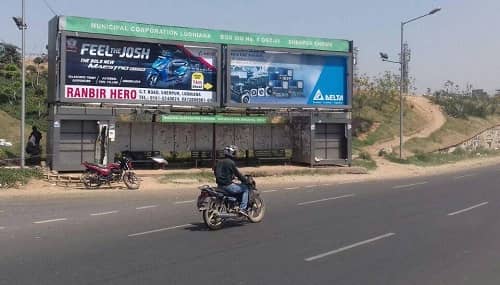
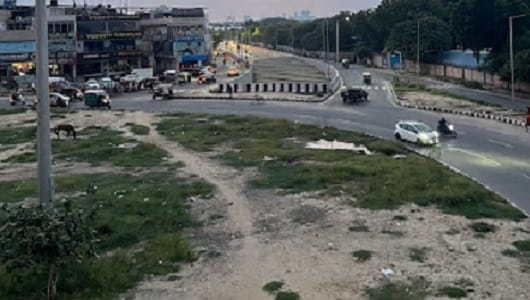
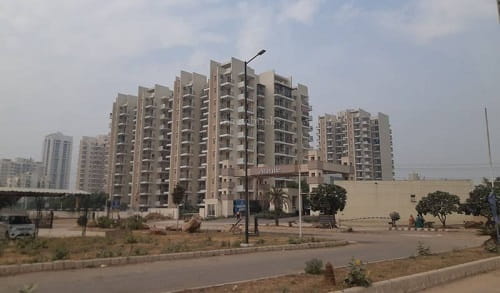
Masala Chowk is a well-known and bustling junction located in the Shahdara area of New Delhi. This chowk serves as an important connection point between residential colonies, local markets, and key transport routes in East Delhi. Over the years, Masala Chowk has gained recognition as a vibrant urban spot known for its commercial activity, street markets, and daily movement of people.
Situated in Shahdara, one of the oldest and most active regions of Delhi, Masala Chowk reflects a mix of traditional markets and modern urban growth. The chowk remains busy throughout the day with vendors, shoppers, and commuters, making it a central hub for both transportation and local business.
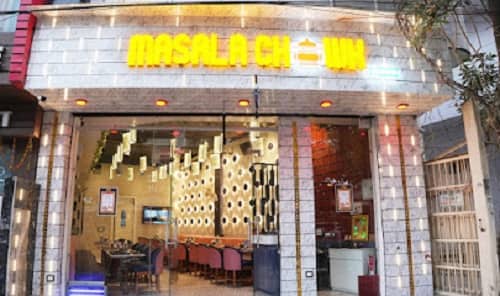
Quick Overview of Masala Chowk
| Feature | Details |
| Location | Masala Chowk, Shahdara, New Delhi |
| Type | Residential and commercial junction |
| Connectivity | GT Road, Shahdara roads, internal streets |
| Metro Access | Nearby Shahdara and Welcome Metro Stations |
| Nearby Areas | Shahdara, Seelampur, Vivek Vihar |
| Importance | Market hub, residential, and transit junction |
| Traffic Level | High |
Google Map Location of Masala Chowk
Masala Chowk is strategically located in Shahdara, a densely populated and historically significant part of East Delhi. The chowk lies close to GT Road, which is one of the major arterial routes in the city.
The surrounding areas include residential colonies, traditional markets, and commercial establishments. Its proximity to Seelampur and Vivek Vihar enhances its accessibility and importance.
Due to its central location within Shahdara, Masala Chowk is widely recognized as a key landmark for navigation and daily commuting.
Connectivity at Masala Chowk
Connectivity is one of the strongest aspects of Masala Chowk. The junction connects GT Road with several internal roads, ensuring smooth movement within the locality and beyond.
GT Road provides direct access to central parts of Delhi as well as neighboring regions. This makes Masala Chowk an important transit point for commuters traveling across East Delhi.
Public transportation options such as DTC buses, auto-rickshaws, and e-rickshaws are readily available. Ride-hailing services are also commonly used in the area.
However, due to heavy population density and market activity, traffic congestion is common, especially during peak hours and shopping times.
Metro Connectivity at Masala Chowk
Metro connectivity significantly enhances accessibility to Masala Chowk. The nearest metro stations are Shahdara Metro Station and Welcome Metro Station, both operated by the Delhi Metro Rail Corporation.
These stations connect the area to major parts of Delhi, including Kashmere Gate, Dilshad Garden, and Seelampur. From the metro stations, commuters can easily reach Masala Chowk using local transport or by walking.
The availability of metro services reduces travel time and improves convenience for daily commuters.
Nearby Places Around Masala Chowk
Masala Chowk is surrounded by several important areas that contribute to its significance. Shahdara is known for its traditional markets and dense residential colonies.
Seelampur is a nearby commercial area famous for wholesale markets and shopping activity. Vivek Vihar is another nearby locality offering planned residential spaces and better infrastructure.
The presence of schools, healthcare facilities, and local markets ensures that residents have access to essential services. These nearby places make Masala Chowk a vibrant and convenient location.
Commercial and Social Importance
Masala Chowk holds significant commercial and social importance. The area is known for its busy markets, street vendors, and small businesses that cater to daily needs.
The chowk serves as a hub for shopping and social interaction, where people gather for buying goods, meeting others, and conducting business activities. It plays a vital role in the local economy.
The lively atmosphere and continuous activity make Masala Chowk an essential part of Shahdara’s identity.
Residential Significance
The areas surrounding Masala Chowk offer a range of residential options, primarily catering to middle-income families. The locality is densely populated, with closely built houses and active community life.
Residents benefit from easy access to markets, schools, and healthcare facilities. The availability of public transport adds to the convenience of living in the area.
Despite the crowded environment, the locality provides a functional and well-connected living space.
Infrastructure and Urban Development
Infrastructure around Masala Chowk has developed over time to support increasing population and activity. Roads are functional, and public transport options are widely available.
Street lighting, drainage systems, and civic amenities have been improved, although challenges such as congestion and limited parking space remain.
Ongoing efforts aim to improve infrastructure and manage traffic more effectively in the area.
Why Masala Chowk is Important
Masala Chowk is a vital junction that connects residential areas, local markets, and transport networks in Shahdara. Its strategic location and strong connectivity make it an essential part of East Delhi’s infrastructure.
The chowk supports daily commuting, local business activity, and community interaction. Its importance continues to grow as the area remains densely populated and commercially active.
For residents, shoppers, and commuters, Masala Chowk serves as a central point of connectivity and daily life.
FAQs About Masala Chowk Shahdara
Q1. Where is Masala Chowk located?
A: Masala Chowk is located in Shahdara, New Delhi.
Q2. Is there a metro station near Masala Chowk?
A: Yes, Shahdara Metro Station and Welcome Metro Station are nearby.
Q3. Why is Masala Chowk important?
A: It is a key junction known for markets and connectivity.
Q4. What are the nearby places?
A: Nearby areas include Shahdara, Seelampur, and Vivek Vihar.
Q5. Is Masala Chowk a busy area?
A: Yes, it experiences high traffic due to market activity and population density.