Termites are one of the biggest hidden problems in Indian homes. You don’t see them easily, but over time, they can quietly damage furniture, doors, and even wooden structures. That’s why choosing termite-resistant wood is not just a smart decision—it’s almost necessary, especially in areas with humidity or older buildings.
Now here’s one thing to understand clearly: no wood is 100% termite-proof by nature. But some types of wood are naturally resistant because of their density, oils, or chemical composition. These woods are much less attractive to termites and last much longer.
Let’s look at the best termite-resistant wood options commonly used in India.
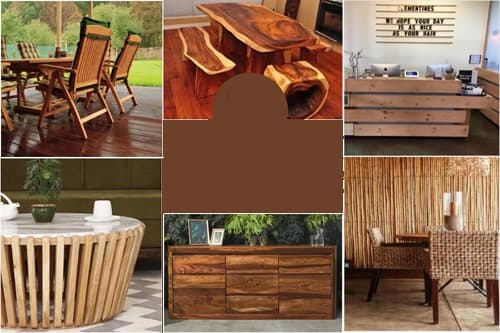
1. Teak Wood (Sagwan)
Teak is often the first name that comes up when talking about termite resistance—and for good reason.
It contains natural oils that act like a protective barrier against termites, moisture, and decay.
Because of this, teak furniture can last for decades with very little damage.
This is why teak is widely used for:
- Doors and window frames
- Beds and heavy furniture
- Outdoor and kitchen use
The only drawback is cost. Teak is expensive, but it is a long-term investment. If your budget allows, it’s one of the safest choices.
2. Sheesham Wood (Indian Rosewood)
Sheesham is another strong and reliable option. It has good natural resistance to termites due to its dense structure and oils.
It may not be as pest-resistant as teak, but with proper polishing and basic treatment, it performs very well in Indian homes.
Best used for:
- Beds and sofas
- Dining tables
- Indoor furniture
It’s also more affordable than teak, which makes it a practical choice for most households.
3. Sal Wood
Sal wood is known for its strength and toughness. It is naturally resistant to termites, especially when properly seasoned.
Because of its density, termites find it harder to penetrate compared to softer woods.
Sal wood is commonly used for:
- Door frames
- Structural work
- Heavy-duty furniture
It’s not as smooth or polished-looking as teak, but it’s a solid option for durability.
4. Cedar Wood
Cedar is not as commonly used as teak or sheesham in India, but it has strong natural insect-repelling properties.
Its natural oils and aroma help keep termites and other pests away.
Cedar works well for:
- Wardrobes and cupboards
- Storage units
- Interior panels
It is lightweight and easier to handle, though not ideal for very heavy furniture.
5. Mahogany Wood
Mahogany is another hardwood known for durability and resistance to pests, including termites.
It has a smooth texture and rich appearance, making it suitable for premium furniture.
Common uses:
- High-end furniture
- Decorative items
- Cabinets
It is less common in India than teak or sheesham, but it is still a good option if available.
6. Engineered Wood (Treated Plywood)
While not natural wood, treated plywood is widely used today because it can be made termite-resistant through chemical treatment.
High-quality plywood, such as BWR or BWP grade, is designed to resist moisture and pests when properly manufactured.
Best used for:
- Kitchen cabinets
- Wardrobes
- Modular furniture
According to experts, treated engineered board, when installed properly,n can offer reliable protection in Indian homes.
Important Tip: Heartwood vs Sapwood
Here’s something many people ignore.
The inner part of wood (called heartwood) is more resistant to termites than the outer part (sapwood).
So even if you choose a good wood type, make sure the quality is up to par. Poor-quality wood can still get damaged.
Final Thoughts
If you want the safest options, teak, sal, and sheesham are the most trusted termite-resistant woods in India. Cedar and mahogany also work well in specific uses, while treated plywood is a smart modern alternative.
But wood alone is not enough. Proper polishing, chemical treatment, and regular care also play a big role in preventing termite damage.
A simple rule works well:
- For long-term durability → go for teak or sal
- For budget + good protection → choose sheesham
- For modern homes → use treated plywood
Make the right choice once, and you won’t have to worry about termites for years.