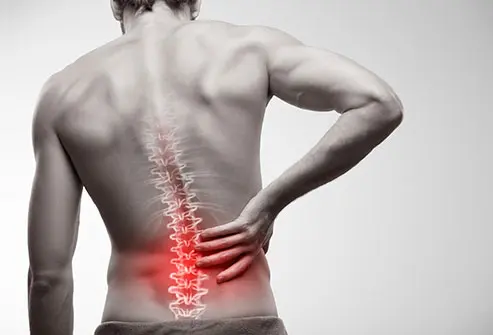
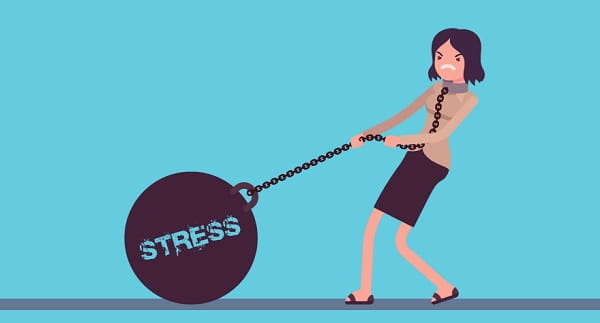
Stress has become a common part of modern life, affecting people across all age groups. Whether it comes from work pressure, financial concerns, or personal responsibilities, stress influences both the mind and body. While occasional stress may motivate action, constant stress can harm physical health in many ways. As a result, understanding its effects helps individuals take better care of their bodies and maintain a balanced lifestyle.
Effect on Heart Health
Stress directly impacts the cardiovascular system. When a person feels stressed, the body releases hormones that increase heart rate and blood pressure. Consequently, prolonged exposure to stress can lead to serious heart-related issues.
- Increased heart rate puts strain on the cardiovascular system
- High blood pressure becomes more likely
- Blood vessels tighten, reducing proper circulation
- Higher risk of Heart Disease over time
As a result, heart health may decline gradually. Therefore, managing stress is essential for maintaining a healthy heart.
Weakening of the Immune System
Stress affects the body’s ability to fight infections. When stress levels remain high, the immune system becomes less effective. Consequently, individuals may fall sick more often.
- Reduced production of immune cells
- Increased vulnerability to infections
- Slower healing of wounds and illnesses
- Frequent colds and fatigue
As a result, overall resistance to diseases decreases. Therefore, reducing stress supports a stronger immune system.
Digestive System Problems
The digestive system is highly sensitive to stress. When the body remains under pressure, digestion does not function properly. Consequently, various digestive issues may develop.
- Increased chances of acidity and stomach discomfort
- Irregular bowel movements
- Higher risk of Irritable Bowel Syndrome
- Loss of appetite or overeating
As a result, digestive health may deteriorate. Therefore, maintaining a calm and balanced routine helps support digestion.
Muscle Tension and Body Pain
Stress often causes physical tension in the body. When muscles remain tight for long periods, pain and discomfort develop. Consequently, individuals may experience ongoing physical strain.
- Neck and shoulder stiffness become common
- Headaches occur due to muscle tension
- Back pain increases with prolonged stress
- Reduced flexibility and movement
As a result, physical comfort decreases. Therefore, relaxation techniques such as stretching and exercise can relieve tension.
Impact on Sleep Patterns
Stress frequently interferes with sleep quality. When the mind stays active and worried, it becomes difficult to relax and fall asleep. Consequently, sleep patterns become irregular.
- Difficulty falling asleep due to overthinking
- Frequent waking during the night
- Poor sleep quality leads to fatigue
- Increased risk of Insomnia
As a result, the body does not get enough rest. Therefore, managing stress helps improve sleep quality and overall energy levels.
Hormonal Imbalance
Stress triggers the release of hormones like cortisol. When stress becomes chronic, hormone levels remain elevated, which disrupts normal body functions. Consequently, this imbalance affects various systems.
- Increased cortisol levels affect metabolism
- Hormonal imbalance leads to fatigue
- Disruption in appetite and energy levels
- Negative impact on reproductive health
As a result, overall body balance becomes unstable. Therefore, reducing stress helps maintain proper hormonal function.
Effect on Skin and Physical Appearance
Stress also affects external appearance, especially skin health. When the body experiences stress, it may show visible signs. Consequently, skin conditions may worsen.
- Increased acne and breakouts
- Skin dryness or irritation
- Premature aging signs such as wrinkles
- Hair fall due to stress-related factors
As a result, physical appearance may change. Therefore, managing stress contributes to healthier skin and hair.
Weight Fluctuations and Energy Levels
Stress influences eating habits and energy balance. Some individuals overeat, while others lose their appetite. Consequently, weight and energy levels fluctuate.
- Stress eating leads to weight gain
- Loss of appetite causes weight loss
- Low energy levels affect daily activities
- Increased fatigue reduces productivity
As a result, maintaining a stable routine becomes difficult. Therefore, balanced eating and stress control support healthy weight management.
Conclusion
Stress has a significant impact on physical health, affecting the heart, immune system, digestion, sleep, and overall well-being. While it is a natural part of life, unmanaged stress can lead to serious health problems over time. Therefore, individuals must adopt healthy coping strategies such as exercise, relaxation, and proper time management. By doing so, they can reduce the negative effects of stress and maintain a healthier, more balanced lifestyle.
FAQs
Q1. How does stress affect physical health?
Stress affects physical health by increasing heart rate, weakening immunity, and causing issues like sleep problems and muscle tension.
Q2. Can stress cause long-term health problems?
Yes, chronic stress can lead to serious conditions such as heart disease, digestive disorders, and hormonal imbalance.
Q3. Does stress impact sleep quality?
Yes, stress can cause difficulty in falling asleep and lead to poor sleep quality.
Q4. How can stress be reduced in daily life?
Stress can be reduced through exercise, meditation, proper time management, and maintaining a healthy lifestyle.
Q5. Can stress affect weight?
Yes, stress can cause both weight gain and weight loss depending on eating habits and body response.