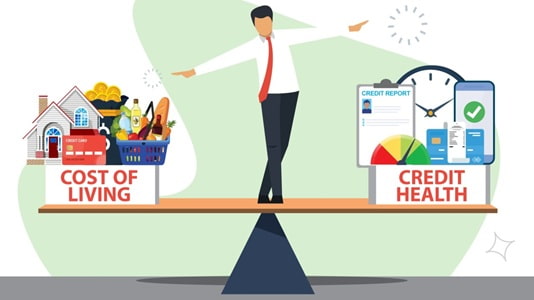
The rising cost of living in India has become a major concern for individuals and families across both urban and rural areas. Over the past few years, rising prices for essentials such as food, housing, fuel, and healthcare have significantly affected daily life. As a result, people are adjusting their habits, priorities, and financial decisions to cope with these changes. Therefore, understanding how inflation shapes lifestyle patterns helps individuals make better choices and adapt effectively.
Changes in Household Spending Patterns
One of the most visible impacts appears in how households manage their expenses. As prices continue to rise, families prioritize essential needs over luxury items. Consequently, spending habits have become more cautious and planned.
- Increased focus on essential expenses like food and rent
- Reduced spending on entertainment and luxury goods
- Greater use of discounts, offers, and budget shopping
- Shift toward saving rather than impulsive spending
As a result, financial discipline has become more important. Therefore, households now focus on long-term stability instead of short-term satisfaction.
Shift in Food Choices and Eating Habits
Rising food prices have directly influenced eating patterns across India. While earlier choices included variety and dining out, now people prefer cost-effective options. Consequently, dietary habits have become more budget-conscious.
- Increased preference for home-cooked meals
- Reduced frequency of dining out or ordering food
- Substitution of expensive items with affordable alternatives
- Focus on minimizing food waste
As a result, families aim to balance nutrition with affordability. Therefore, smart meal planning has become a daily necessity.
Impact on Housing and Living Arrangements
Housing costs, especially in urban areas, have increased significantly. As a result, individuals and families are adjusting their living arrangements to reduce expenses.
- Shift toward shared accommodations or smaller homes
- Movement from city centers to suburban areas
- Increased demand for rental housing over ownership
- Cost-sharing among family members or roommates
Consequently, living spaces have become more compact and practical. Therefore, people now prioritize affordability over luxury in housing choices.
Changes in Transportation and Daily Commute
Fuel prices and transportation costs have also risen, affecting daily travel habits. As a result, people are adopting more economical ways to commute.
- Increased use of public transportation
- Preference for carpooling and ride-sharing
- Growth in the use of bicycles and walking for short distances
- Reduced non-essential travel
As a result, individuals aim to reduce commuting costs. Therefore, efficient travel planning has become a key part of daily routines.
Influence on Work Culture and Income Sources
The rising cost of living has pushed many individuals to rethink their income strategies. Consequently, people are exploring multiple income sources to maintain financial stability.
- Growth in freelance work and side hustles
- Increased focus on skill development and career growth
- Longer working hours to meet financial demands
- Preference for stable and higher-paying jobs
As a result, work-life balance often becomes challenging. However, financial security remains a top priority for most individuals.
Impact on Lifestyle Choices and Consumer Behavior
Consumer behavior has changed significantly due to rising costs. While earlier trends focused on convenience and luxury, now practicality plays a major role in decision-making.
- Preference for durable and value-for-money products
- Reduced spending on branded or premium items
- Increase in second-hand purchases and reuse culture
- Greater awareness of financial planning and budgeting
Consequently, people are becoming more mindful consumers. Therefore, thoughtful spending has replaced impulsive buying habits.
Effects on Mental and Emotional Well-being
Financial pressure often affects mental health and emotional stability. As expenses increase, individuals may experience stress and anxiety related to money management.
- Increased stress due to financial uncertainty
- Anxiety about future savings and security
- Pressure to maintain lifestyle standards
- Need for better financial planning and support systems
However, adopting healthy coping strategies can help manage these challenges. Therefore, maintaining mental well-being becomes as important as financial stability.
Conclusion
The rising cost of living in India is reshaping lifestyle habits in multiple ways. From spending patterns to work culture and social behavior, individuals are constantly adapting to economic pressures. While these changes encourage financial discipline and mindful living, they also introduce challenges related to stress and reduced comfort. Therefore, balancing expenses, improving financial literacy, and maintaining well-being are essential for navigating this evolving lifestyle landscape.
FAQs
Q1. Why is the cost of living rising in India?
The cost of living is rising due to factors such as inflation, rising fuel prices, increased demand for resources, and global economic changes.
Q2. How does rising costs affect daily life?
It affects daily life by increasing expenses, reducing savings, and forcing individuals to change spending and lifestyle habits.
Q3. Are people saving less due to inflation?
Yes, many people find it harder to save because a larger portion of their income goes toward essential expenses.
Q4. How can individuals manage rising living costs?
People can manage costs by budgeting, reducing unnecessary expenses, and exploring additional income sources.
Q5. Does the rising cost of living impact mental health?
Yes, financial pressure can lead to stress and anxiety, especially when managing expenses becomes difficult.