Digital transformation has become a major priority for organizations worldwide. Businesses across industries are adopting advanced technologies to improve efficiency, enhance customer experiences, automate processes, and remain competitive in a rapidly changing market. As a result, the demand for professionals who can lead and support digital transformation initiatives has increased significantly.
For graduates with degrees in Computer Science, Information Technology, Software Engineering, Electronics, Data Science, Artificial Intelligence, and related technical fields, digital transformation offers a wide range of exciting and high-growth career opportunities. These roles combine technology expertise with business strategy, innovation, data analysis, and process improvement.
Whether you are interested in cloud computing, artificial intelligence, cybersecurity, business analytics, or enterprise technology solutions, digital transformation careers provide strong salary potential, global opportunities, and long-term career growth.
What Is Digital Transformation?
Digital transformation refers to the integration of digital technologies into business operations, products, services, and customer interactions. Organizations use technology to improve productivity, reduce costs, increase efficiency, and create innovative solutions.
Key areas of digital transformation include:
- Cloud computing
- Artificial intelligence
- Data analytics
- Automation
- Cybersecurity
- Internet of Things (IoT)
- Digital customer experiences
- Enterprise software solutions
As companies continue investing in these technologies, skilled professionals remain in high demand.
Why Choose a Digital Transformation Career?
Digital transformation careers offer several advantages for tech graduates:
- Strong global demand
- High salary potential
- Opportunities across industries
- Exposure to emerging technologies
- Continuous learning and innovation
- Leadership and strategic growth opportunities
These careers allow professionals to work at the intersection of technology and business transformation.
1. Digital Transformation Consultant
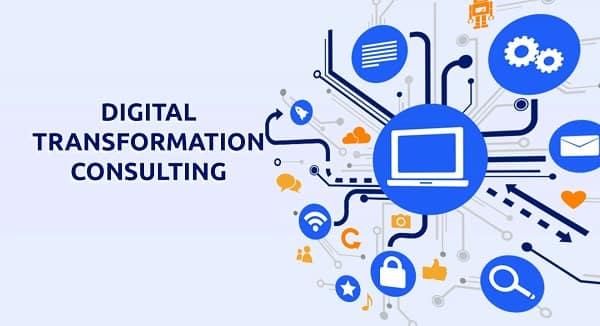
Digital Transformation Consultants help organizations implement technology-driven improvements and modernization strategies.
Key responsibilities include:
- Assessing business processes
- Identifying technology opportunities
- Recommending digital solutions
- Supporting transformation projects
- Managing organizational change
This role combines technical knowledge with strategic business thinking.
2. Business Technology Analyst
Business Technology Analysts bridge the gap between business requirements and technology solutions.
Responsibilities include:
- Gathering business requirements
- Analyzing workflows
- Supporting technology implementation
- Improving operational efficiency
- Coordinating stakeholders
This position is highly valuable in digital transformation initiatives.
3. Cloud Solutions Specialist
Cloud computing is a key component of modern digital transformation strategies.
Typical duties include:
- Managing cloud infrastructure
- Supporting cloud migrations
- Optimizing cloud performance
- Ensuring system reliability
- Monitoring cloud environments
Organizations increasingly seek professionals with cloud expertise.
4. Data Analyst
Data Analysts help organizations make informed decisions by transforming raw data into actionable insights.
Their responsibilities may include:
- Collecting and analyzing data
- Creating reports and dashboards
- Identifying trends
- Supporting business strategies
- Measuring performance indicators
Data-driven decision-making remains central to digital transformation.
5. Data Scientist
Data Scientists use advanced analytical techniques and machine learning to solve complex business problems.
Key responsibilities include:
- Predictive modeling
- Statistical analysis
- Machine learning development
- Data mining
- Business intelligence support
This is one of the highest-paying technology careers available today.
6. Artificial Intelligence Specialist
AI Specialists develop intelligent systems that automate tasks and improve business performance.
Responsibilities include:
- Designing AI solutions
- Building machine learning models
- Training algorithms
- Evaluating performance
- Supporting automation initiatives
Artificial intelligence continues to drive transformation across industries.
7. Cybersecurity Analyst
Digital transformation increases the need for strong cybersecurity measures.
Cybersecurity Analysts focus on:
- Threat monitoring
- Security assessments
- Risk management
- Incident response
- Data protection
This role is critical for safeguarding digital systems and information.
8. Product Manager – Digital Products
Digital Product Managers oversee technology products and ensure they meet customer and business needs.
Their duties include:
- Defining product strategies
- Coordinating development teams
- Managing product roadmaps
- Monitoring user feedback
- Driving product innovation
This role combines technical understanding with business leadership.
9. Automation Specialist
Automation Specialists help organizations improve efficiency through process automation technologies.
Responsibilities include:
- Identifying automation opportunities
- Implementing automation tools
- Optimizing workflows
- Reducing manual tasks
- Supporting operational improvements
Automation continues to be a major focus area for businesses.
10. Enterprise Solutions Architect
Enterprise Solutions Architects design technology frameworks that support organizational goals.
Key responsibilities include:
- Planning technology systems
- Evaluating infrastructure needs
- Coordinating technical teams
- Supporting digital initiatives
- Ensuring system scalability
This role is often considered one of the most prestigious positions in technology transformation.
Industries Hiring Digital Transformation Professionals
Digital transformation professionals are in demand across numerous industries, including:
- Information technology
- Banking and finance
- Healthcare
- Manufacturing
- Retail
- Telecommunications
- Education
- Logistics
- Energy
- Government organizations
Virtually every industry is investing in digital modernization initiatives.
Skills Required for Digital Transformation Careers
To succeed in this field, professionals should develop:
- Technical expertise
- Data analysis skills
- Cloud computing knowledge
- Problem-solving abilities
- Project management skills
- Communication capabilities
- Strategic thinking
- Adaptability to new technologies
A combination of technical and business knowledge provides a significant advantage.
Certifications and Higher Education Options
Graduates can enhance their profiles through:
- Cloud Computing Certifications
- Data Analytics Programs
- Artificial Intelligence Certifications
- Cybersecurity Certifications
- Project Management Certifications
- MBA in Digital Transformation
- MBA in Information Technology
Professional certifications often improve employability and career advancement opportunities.
Career Growth Opportunities
Digital transformation careers offer strong progression pathways. With experience and expertise, professionals can advance into roles such as:
- Senior Consultant
- Digital Transformation Manager
- Technology Director
- Chief Information Officer (CIO)
- Chief Technology Officer (CTO)
- Chief Digital Officer (CDO)
Many organizations actively promote digital talent into leadership positions.
Future Scope of Digital Transformation Careers
The future of digital transformation remains exceptionally strong. Technologies such as artificial intelligence, cloud computing, automation, blockchain, advanced analytics, and smart systems continue to reshape industries worldwide.
Organizations that successfully adopt digital technologies often gain competitive advantages, making digital transformation professionals increasingly valuable.
Conclusion
Digital transformation is one of the fastest-growing career domains for technology graduates. From Digital Transformation Consultant and Data Scientist to Cybersecurity Analyst, AI Specialist, and Enterprise Solutions Architect, numerous opportunities exist across industries. These careers offer excellent salary potential, continuous learning, and the opportunity to work on innovative projects that shape the future of business and technology. By developing technical expertise, analytical thinking, and business understanding, tech graduates can build highly successful careers in the rapidly evolving world of digital transformation.
FAQs
Q: What is the best digital transformation career after a tech degree?
A: Digital Transformation Consultant, Data Scientist, AI Specialist, Cloud Solutions Specialist, and Cybersecurity Analyst are among the most sought-after options.
Q: Are digital transformation careers high-paying?
A: Yes. Many digital transformation roles offer competitive salaries, especially in areas such as artificial intelligence, cloud computing, data science, and cybersecurity.
Q: Which industries hire digital transformation professionals?
A: Technology, finance, healthcare, retail, manufacturing, telecommunications, logistics, and government organizations actively recruit digital transformation professionals.
Q: Do digital transformation careers require coding skills?
A: Many technical roles require coding knowledge, although consulting, product management, and business analysis positions may focus more on strategy and technology implementation.
Q: Is digital transformation a growing field?
A: Yes. Organizations worldwide continue investing in digital technologies, creating strong demand for skilled professionals.
Q: Can tech graduates work internationally in digital transformation roles?
A: Yes. Digital transformation skills are highly valued globally, creating opportunities to work with multinational companies and international technology projects.