Agricultural biotechnology is one of the most important and rapidly evolving fields within modern science. As the global population continues to grow, the demand for sustainable agriculture, higher crop productivity, disease-resistant plants, and environmentally friendly farming practices has increased significantly. Agricultural biotechnology combines biology, genetics, molecular science, and technology to improve agricultural systems and address food security challenges.
Graduates with backgrounds in Biotechnology, Agricultural Sciences, Genetics, Microbiology, Plant Sciences, Life Sciences, and related disciplines can explore a wide range of career opportunities in this sector. From crop improvement and genetic research to agricultural product development and biotechnology consulting, the field offers promising career paths with strong long-term growth potential.
As governments, research institutions, agribusiness companies, and biotechnology organizations invest in agricultural innovation, professionals with expertise in agricultural biotechnology are becoming increasingly valuable.
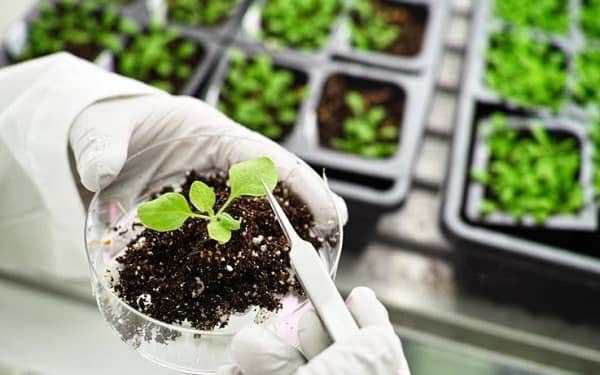
Why Choose a Career in Agricultural Biotechnology?
Agricultural biotechnology contributes directly to improving food production, sustainability, and agricultural efficiency.
Benefits of pursuing a career in this field include:
- Strong future demand
- Opportunities for scientific innovation
- Contribution to food security
- Career options in research and industry
- Growing global relevance
- Diverse employment opportunities
The field combines science and practical applications that can positively impact agriculture and society.
Top Agricultural Biotechnology Career Options for Future Growth
1. Agricultural Biotechnology Research Scientist
Research Scientists conduct studies aimed at improving crop productivity, disease resistance, and agricultural sustainability.
Key responsibilities include:
- Designing research projects
- Conducting laboratory experiments
- Analyzing agricultural data
- Developing innovative solutions
- Publishing research findings
This is one of the most respected careers in agricultural biotechnology.
2. Plant Geneticist
Plant Geneticists study plant genetics and develop improved crop varieties.
Responsibilities include:
- Genetic analysis
- Crop breeding research
- Trait improvement programs
- Molecular studies
- Agricultural innovation projects
Their work supports the development of high-yield and resilient crops.
3. Crop Improvement Specialist
Crop Improvement Specialists focus on enhancing agricultural productivity through scientific techniques.
Their duties may include:
- Evaluating crop performance
- Developing improved varieties
- Conducting field trials
- Monitoring agricultural outcomes
- Supporting breeding programs
This role plays a key part in modern agricultural development.
4. Agricultural Biotechnologist
Agricultural Biotechnologists apply biotechnology techniques to solve farming and crop-related challenges.
Responsibilities include:
- Genetic engineering projects
- Plant tissue culture work
- Agricultural research
- Product development
- Sustainability initiatives
The profession offers opportunities in both public and private sectors.
5. Plant Tissue Culture Specialist
Plant Tissue Culture Specialists use laboratory techniques to grow and propagate plants.
Key responsibilities include:
- Maintaining tissue culture laboratories
- Producing disease-free plants
- Supporting crop improvement programs
- Monitoring laboratory procedures
- Conducting research activities
This specialization is widely used in commercial agriculture and research.
6. Seed Technology Specialist
Seed Technology Specialists work on improving seed quality, productivity, and performance.
Their work involves:
- Seed testing
- Quality evaluation
- Research and development
- Production monitoring
- Regulatory compliance
The seed industry offers significant opportunities for biotechnology professionals.
7. Agricultural Product Development Scientist
Product Development Scientists create biotechnology-based solutions for agriculture.
Responsibilities include:
- Developing agricultural products
- Conducting product testing
- Evaluating market needs
- Supporting innovation projects
- Improving agricultural efficiency
This role combines scientific expertise with commercial applications.
8. Bioinformatics Specialist in Agriculture
Bioinformatics professionals analyze biological and genetic data to support agricultural research.
Key duties include:
- Managing genomic databases
- Conducting data analysis
- Supporting genetic research
- Developing predictive models
- Assisting crop improvement initiatives
The growing use of data-driven agriculture has increased demand for this specialization.
9. Agricultural Quality Assurance Specialist
Quality Assurance Specialists ensure agricultural products meet required standards and regulations.
Responsibilities include:
- Conducting inspections
- Monitoring quality processes
- Maintaining compliance documentation
- Supporting certification requirements
- Evaluating production systems
Quality management is becoming increasingly important in agricultural industries.
10. Agricultural Biotechnology Consultant
Consultants advise organizations on biotechnology applications, research strategies, and agricultural innovations.
Their responsibilities may include:
- Evaluating agricultural technologies
- Providing technical guidance
- Supporting research programs
- Advising agribusinesses
- Recommending improvement strategies
This role offers opportunities to work with multiple organizations and projects.
Industries Hiring Agricultural Biotechnology Professionals
Agricultural biotechnology graduates can find opportunities in:
- Agricultural biotechnology companies
- Seed production organizations
- Agribusiness corporations
- Government agricultural departments
- Research institutions
- Plant breeding companies
- Food production industries
- Environmental organizations
- Agricultural consulting firms
- Universities and academic institutions
The sector continues to expand as agriculture becomes more technology-driven.
Skills Required for Agricultural Biotechnology Careers
Professionals should focus on developing:
- Laboratory skills
- Genetic analysis techniques
- Research methodologies
- Data interpretation abilities
- Scientific communication
- Problem-solving skills
- Technical documentation expertise
- Agricultural knowledge
A combination of biotechnology and agricultural understanding is highly valuable.
Higher Education and Certifications
Graduates can improve career opportunities through:
- Master’s in Agricultural Biotechnology
- Master’s in Plant Genetics
- Master’s in Biotechnology
- Master’s in Plant Breeding
- PhD in Agricultural Biotechnology
- Bioinformatics Certification Programs
Advanced education often leads to specialized and leadership roles.
Career Growth Opportunities
Agricultural biotechnology professionals can advance into positions such as:
- Senior Research Scientist
- Plant Breeding Manager
- Biotechnology Project Manager
- Agricultural Research Director
- Product Development Manager
- Biotechnology Consultant
- Chief Scientific Officer
Research expertise and industry experience play a major role in career progression.
Future Scope of Agricultural Biotechnology
The future of agricultural biotechnology is highly promising due to growing emphasis on:
- Food security
- Sustainable agriculture
- Climate-resilient crops
- Precision farming
- Genetic improvement technologies
- Smart agriculture systems
- Biotechnology-driven crop innovation
As global agricultural challenges become more complex, biotechnology professionals will continue to play a vital role in developing solutions.
Conclusion
Agricultural biotechnology offers excellent career opportunities for graduates interested in science, innovation, and sustainable development. From Agricultural Biotechnology Research Scientist and Plant Geneticist to Seed Technology Specialist and Agricultural Biotechnology Consultant, the field provides diverse pathways for professional growth. With increasing investments in agricultural innovation, biotechnology professionals are expected to remain in high demand across research institutions, agribusiness companies, and government organizations. By developing strong scientific skills and staying updated with emerging technologies, graduates can build rewarding careers that contribute to the future of agriculture and food security.
FAQs
Q: What are the best career options in agricultural biotechnology?
A: Agricultural Biotechnology Research Scientist, Plant Geneticist, Crop Improvement Specialist, Seed Technology Specialist, and Agricultural Biotechnologist are among the top career options.
Q: Is agricultural biotechnology a good career for the future?
A: Yes. Growing concerns about food security, sustainability, and agricultural productivity are increasing demand for biotechnology professionals.
Q: Which industries hire agricultural biotechnology graduates?
A: Agribusiness companies, seed producers, research institutions, government organizations, agricultural technology firms, and universities frequently hire these professionals.
Q: Do agricultural biotechnology careers involve research?
A: Many careers involve research activities, particularly in crop improvement, genetics, biotechnology development, and agricultural innovation.
Q: Can biotechnology graduates work in agriculture-related industries?
A: Yes. Biotechnology graduates can work in crop science, plant breeding, seed technology, agricultural research, and agribusiness sectors.
Q: What skills are important for agricultural biotechnology careers?
A: Laboratory techniques, genetic analysis, research skills, data interpretation, problem-solving, scientific communication, and agricultural knowledge are highly important.