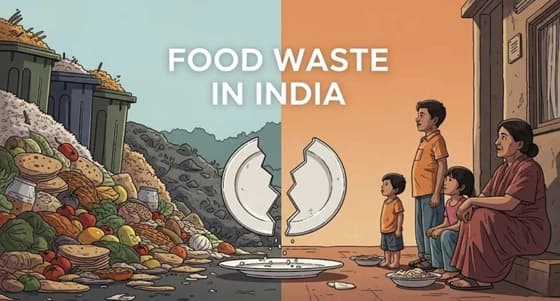
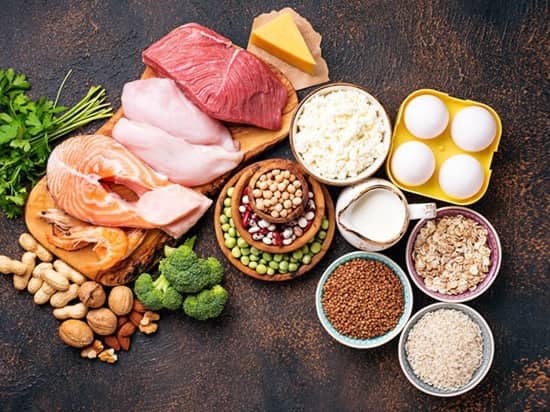
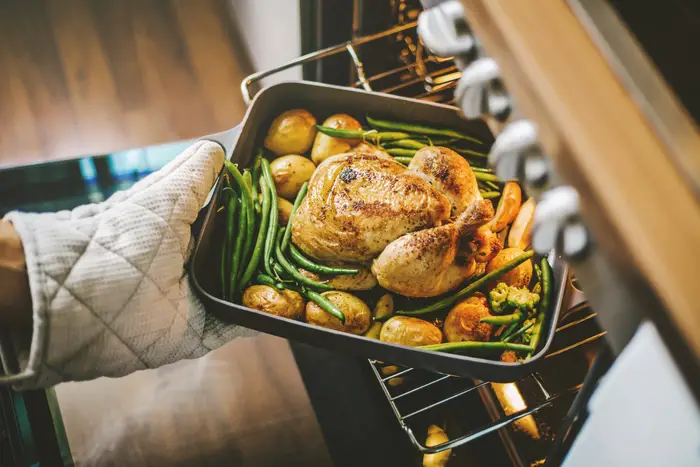
Leftover food is a common part of daily life in many households. While reusing leftovers helps reduce food waste and save money, improper handling can lead to health risks. Many people unknowingly store or reheat food in unsafe ways, which may cause contamination. Therefore, understanding how to reuse leftover food safely is essential for maintaining both hygiene and health.
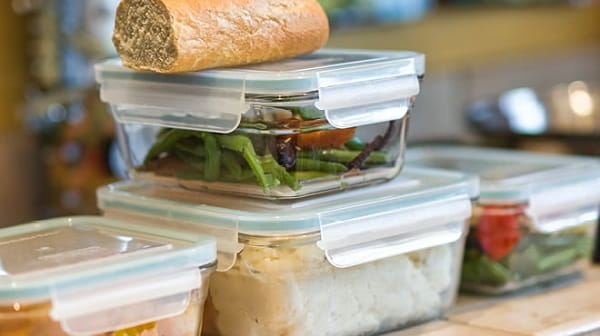
Store Leftovers Properly Immediately
The first step to safe reuse begins with proper storage. Leaving food at room temperature for too long allows bacteria to grow rapidly. Consequently, food may become unsafe even before refrigeration.
- Store leftovers within 2 hours of cooking
- Use airtight containers to prevent contamination
- Divide large portions into smaller containers for faster cooling
- Avoid leaving food uncovered
As a result, food remains fresh and safe for later use. Therefore, timely storage is crucial.
Maintain Correct Refrigerator Temperature
Refrigeration slows down bacterial growth, but only when the temperature is maintained properly. Consequently, consistent cooling helps preserve food quality.
- Keep fridge temperature at safe levels
- Store leftovers in the coldest section
- Avoid frequent opening of the fridge
- Do not overcrowd to allow proper airflow
As a result, food stays safe for a longer period. Therefore, proper temperature control is essential.
Consume Leftovers Within Safe Time
Leftover food has a limited shelf life, even when stored correctly. Keeping food for too long increases the risk of spoilage. Consequently, it may lead to foodborne illnesses.
- Consume leftovers within 2–3 days
- Avoid eating food stored for extended periods
- Check for signs of spoilage before use
- Discard food with unusual smell or texture
As a result, health risks are minimized. Therefore, timely consumption is important.
Reheat Food Properly
Reheating is a critical step in making leftovers safe to eat. Improper reheating may not kill harmful bacteria. Consequently, food may remain unsafe.
- Heat food thoroughly until it is hot throughout
- Stir food while reheating for even heating
- Avoid reheating the same food multiple times
- Use proper utensils and clean equipment
As a result, food becomes safer for consumption. Therefore, correct reheating methods are necessary.
Avoid Cross-Contamination
Cross-contamination can occur when leftover food comes into contact with raw ingredients or unclean surfaces. Consequently, bacteria may spread easily.
- Store cooked food separately from raw food
- Use clean utensils while handling leftovers
- Avoid mixing fresh and old food
- Keep storage containers clean
As a result, food safety improves. Therefore, maintaining separation is important.
Repurpose Leftovers Creatively
Reusing leftovers does not mean eating the same dish repeatedly. With a little creativity, leftovers can be turned into new meals. Consequently, food becomes more enjoyable.
- Use leftover vegetables in sandwiches or wraps
- Turn cooked rice into fried rice or pulao
- Add leftover dal to dough for making parathas
- Use cooked chicken or paneer in salads
As a result, meals remain interesting and nutritious. Therefore, creative reuse reduces waste and improves variety.
Practice Good Kitchen Hygiene
Hygiene plays a major role in safe food handling. Even properly stored food can become unsafe if handled carelessly. Consequently, maintaining cleanliness is essential.
- Wash hands before handling leftovers
- Clean kitchen surfaces regularly
- Use fresh utensils for serving
- Avoid touching food with unclean hands
As a result, contamination risks decrease. Therefore, hygiene is a key factor in food safety.
Avoid Reusing Certain Foods Multiple Times
Not all foods are safe for repeated reuse. Some items lose quality or become unsafe after multiple reheating cycles. Consequently, caution is required.
- Avoid reheating rice multiple times due to risk of Food Poisoning
- Do not reuse fried food repeatedly
- Limit reheating of dairy-based dishes
- Consume seafood leftovers quickly
As a result, health risks can be minimized. Therefore, knowing which foods to avoid is important.
Conclusion
Reusing leftover food is a practical and sustainable habit, but it requires proper handling and care. From timely storage to correct reheating and hygiene practices, every step plays a role in ensuring safety. Therefore, individuals must follow these guidelines to avoid health risks and make the most of their food. By adopting safe practices, they can reduce waste while maintaining a healthy lifestyle.
FAQs
Q1. How long can leftovers be stored safely?
A: Leftovers should generally be consumed within 2–3 days when stored properly in the refrigerator.
Q2. Is it safe to reheat food multiple times?
A: No, reheating food multiple times increases the risk of bacterial growth and should be avoided.
Q3. How can I tell if leftover food is spoiled?
A: Signs include bad smell, unusual texture, and discoloration.
Q4. Can leftover food cause food poisoning?
A: Yes, improper storage or reheating can lead to Food Poisoning.
Q5. What is the best way to store leftovers?
A: Store leftovers in airtight containers and refrigerate them within 2 hours of cooking.