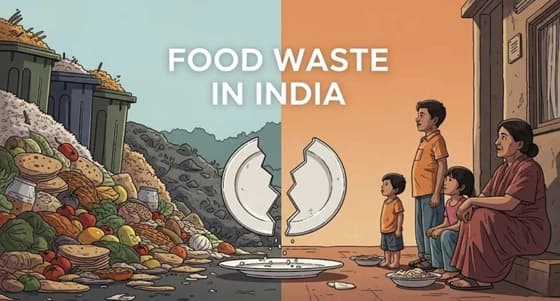
Food waste is a growing concern in many Indian households. Despite cooking fresh meals daily, a significant amount of food often goes unused and ends up being discarded. This not only wastes money but also impacts the environment. Therefore, understanding how to manage food efficiently can help reduce waste, save resources, and promote a more sustainable lifestyle.
Plan Meals in Advance
One of the most effective ways to reduce food waste is proper meal planning. When meals are planned ahead, unnecessary purchases and excess cooking can be avoided. Consequently, food gets used efficiently.
- Create a weekly meal plan
- Buy only the ingredients required
- Avoid impulse grocery shopping
- Plan meals based on available ingredients
As a result, less food gets wasted. Therefore, planning plays a crucial role in reducing waste.
Store Food Properly
Improper storage is a major reason for food spoilage. When food is not stored correctly, it loses freshness quickly. Consequently, it becomes unusable.
- Use airtight containers for storage
- Keep perishable items in the refrigerator
- Store dry items in cool, dry places
- Label containers with dates
As a result, food lasts longer. Therefore, proper storage helps prevent waste.
Cook in the Right Quantity
Cooking more food than needed often leads to leftovers that may not be consumed. Consequently, excess food ends up being thrown away.
- Estimate portion sizes before cooking
- Adjust quantities based on family needs
- Avoid cooking large amounts unnecessarily
- Use measuring tools for accuracy
As a result, food is consumed efficiently. Therefore, cooking the right amount reduces waste.
Reuse Leftovers Creatively
Leftover food does not have to be wasted. With a little creativity, it can be turned into new dishes. Consequently, food gets utilized fully.
- Use leftover rice to make fried rice or pulao
- Turn extra vegetables into parathas or sandwiches
- Add leftover dal to soups or curries
- Repurpose cooked food into new recipes
As a result, meals remain interesting and waste decreases. Therefore, creative reuse is beneficial.
Understand Expiry Dates and Freshness
Many people throw away food simply because they misunderstand expiry dates. However, some items remain safe beyond their labeled date if stored properly. Consequently, awareness helps reduce waste.
- Check “best before” vs “expiry date”
- Inspect food for spoilage before discarding
- Use older items first (FIFO method)
- Avoid throwing food without checking quality
As a result, unnecessary waste can be avoided. Therefore, understanding food labels is important.
Store Fruits and Vegetables Correctly
Fruits and vegetables often spoil quickly if not stored properly. Consequently, a large portion of food waste comes from produce.
- Keep leafy greens in the refrigerator
- Store potatoes and onions in cool, dark places
- Separate fruits that release ethylene gas
- Avoid washing produce before storage
As a result, produce stays fresh longer. Therefore, proper handling reduces waste.
Avoid Overbuying Groceries
Buying more than needed often leads to unused food. Consequently, excess items may spoil before use.
- Make a shopping list before buying
- Purchase in smaller quantities
- Avoid bulk buying of perishable items
- Check existing stock before shopping
As a result, food is used more efficiently. Therefore, mindful shopping reduces waste.
Practice Responsible Disposal
Even when food cannot be reused, it should be disposed of responsibly. Proper disposal methods can reduce environmental impact. Consequently, waste management becomes more sustainable.
- Compost vegetable peels and organic waste
- Avoid mixing food waste with dry waste
- Use biodegradable disposal methods
- Reduce landfill waste through recycling practices
As a result, environmental impact decreases. Therefore, responsible disposal is essential.
Conclusion
Reducing food waste in Indian households requires simple yet effective changes in daily habits. From planning meals and storing food properly to reusing leftovers and avoiding overbuying, every step makes a difference. Since food waste also contributes to environmental problems, adopting mindful practices becomes even more important. Therefore, by making conscious choices, individuals can save money, protect resources, and create a more sustainable lifestyle.
FAQs
Q1. What is the main cause of food waste at home?
The main causes include overcooking, improper storage, and overbuying groceries.
Q2. How can I reduce vegetable waste?
You can store vegetables properly, buy in small quantities, and use them before they spoil.
Q3. Is it safe to reuse leftover food?
Yes, if stored and reheated properly, leftovers can be safely reused.
Q4. What is the FIFO method?
FIFO stands for “First In, First Out,” meaning older food items should be used before newer ones.
Q5. How does food waste affect the environment?
Food waste increases landfill waste and contributes to pollution and resource wastage.