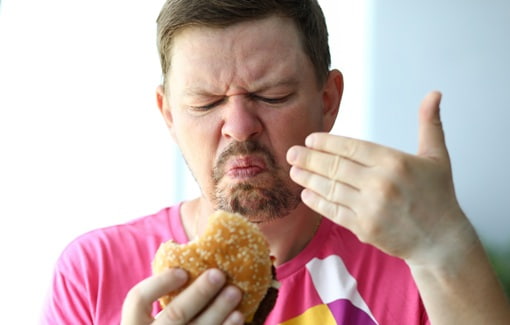
During summer, many people notice that food tends to spoil much faster than usual. Leftovers go bad quickly, fruits decay sooner, and cooked meals may develop an unpleasant smell within hours. This happens due to environmental and biological factors that accelerate food spoilage. As a result, understanding the reasons behind this issue and learning preventive measures can help maintain food safety and reduce waste.
High Temperature Speeds Up Bacterial Growth
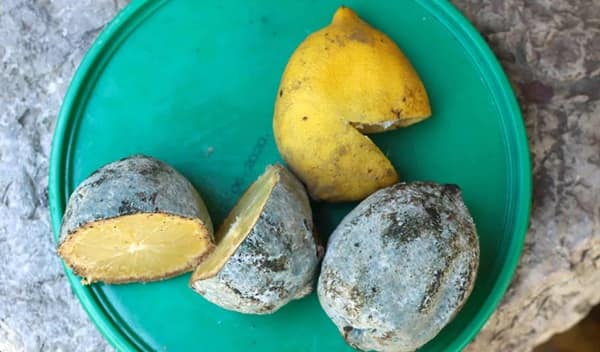
One of the main reasons food spoils quickly in summer is the rise in temperature. Warm conditions create an ideal environment for bacteria to grow rapidly. Consequently, food becomes unsafe to consume in a shorter time.
- Heat accelerates bacterial multiplication
- Microorganisms break down food faster
- Cooked food becomes a breeding ground for bacteria
- Perishable items spoil within a few hours
As a result, food safety becomes a concern. Therefore, keeping food at cooler temperatures is essential.
Increased Humidity and Moisture
Summer often brings higher humidity levels, which also contribute to food spoilage. Moisture in the air creates favorable conditions for microbial growth. Consequently, food items absorb moisture and spoil faster.
- Damp conditions promote mold growth
- Fruits and vegetables decay quickly
- Stored grains may develop fungal growth
- Moisture reduces shelf life of food
As a result, food quality declines rapidly. Therefore, controlling moisture levels helps preserve freshness.
Chemical Changes in Food
High temperatures also trigger chemical reactions in food. These reactions affect taste, texture, and smell. Consequently, food begins to degrade more quickly.
- Oxidation changes flavor and color
- Nutrients break down faster
- Oils may become rancid
- Freshness reduces significantly
As a result, food loses its quality even before visible spoilage. Therefore, proper storage helps slow down these changes.
Improper Storage Practices
During summer, improper storage can worsen the rate of spoilage. Many people leave food uncovered or at room temperature for long periods. Consequently, bacteria multiply quickly.
- Leaving cooked food outside for too long
- Not using airtight containers
- Overcrowding the refrigerator
- Storing hot food without cooling
As a result, food becomes unsafe to eat. Therefore, proper storage methods are crucial.
Frequent Power Cuts and Temperature Fluctuations
In many regions, summer brings frequent power cuts, which affect refrigeration. When the fridge temperature rises, stored food may begin to spoil. Consequently, maintaining consistent cooling becomes difficult.
- Interrupted refrigeration increases spoilage risk
- Repeated temperature changes affect food quality
- Frozen food may partially thaw and refreeze
- Bacterial growth increases during power outages
As a result, stored food may not remain safe for long. Therefore, minimizing fridge opening during power cuts helps maintain temperature.
How to Prevent Food Spoilage in Summer
Understanding the causes is important, but taking preventive steps is equally essential. By following simple practices, individuals can keep food fresh for longer and avoid health risks.
Store Food at Proper Temperatures
Keeping food at the right temperature is the most effective way to prevent spoilage. Refrigeration slows down bacterial growth significantly.
- Refrigerate cooked food within 2 hours
- Keep fridge temperature below recommended levels
- Store perishable items in the coldest section
- Avoid leaving food at room temperature
As a result, food remains safe for longer periods. Therefore, temperature control is key.
Use Airtight Containers
Proper storage containers help protect food from air and moisture. Consequently, they reduce contamination and preserve freshness.
- Store leftovers in sealed containers
- Use glass or BPA-free plastic containers
- Avoid open storage in the fridge
- Label stored food with dates
As a result, food quality improves. Therefore, using airtight containers is essential.
Maintain Cleanliness and Hygiene
Clean surroundings reduce the chances of contamination. Consequently, hygiene plays a major role in preventing spoilage.
- Clean kitchen surfaces regularly
- Wash fruits and vegetables properly
- Keep storage areas dry and clean
- Avoid using dirty utensils
As a result, food stays safe and fresh. Therefore, hygiene is a key factor.
Avoid Overcooking and Reheating Frequently
Repeated heating and improper cooking can accelerate spoilage. Consequently, handling food carefully is important.
- Cook only required quantities
- Avoid reheating food multiple times
- Heat food thoroughly before consumption
- Discard food that smells or looks spoiled
As a result, food remains safer to eat. Therefore, proper handling is necessary.
Consume Fresh and Seasonal Food
Eating fresh food reduces the chances of spoilage. Seasonal foods are better suited for summer conditions. Consequently, they last longer and remain safer.
- Buy vegetables and fruits in small quantities
- Prefer freshly cooked meals
- Avoid storing food for long periods
- Choose seasonal produce for better freshness
As a result, food waste decreases. Therefore, fresh consumption is beneficial.
Conclusion
Food spoils quickly in summer due to high temperatures, humidity, and improper storage practices. These factors create ideal conditions for bacterial growth and chemical changes in food. However, by maintaining proper hygiene, storing food correctly, and consuming fresh meals, individuals can prevent spoilage effectively. Therefore, adopting these simple habits not only ensures food safety but also promotes a healthier lifestyle.
FAQs
Q1. Why does food spoil faster in summer?
Food spoils faster due to high temperature and humidity, which promote bacterial growth.
Q2. How can I keep food fresh without a refrigerator?
You can store food in cool, dry places, use airtight containers, and consume it quickly.
Q3. Is it safe to eat food left outside overnight in summer?
No, food left outside overnight may develop bacteria and become unsafe.
Q4. How long can cooked food last in summer?
Cooked food should ideally be consumed within a few hours or stored in the refrigerator.
Q5. What are signs of spoiled food?
Bad smell, discoloration, and unusual texture indicate spoiled food.