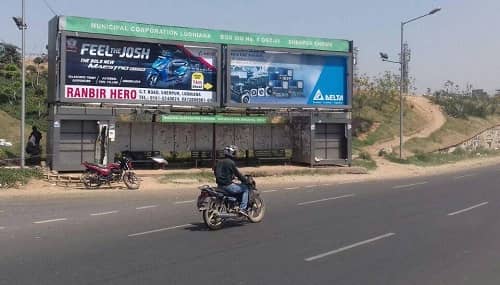
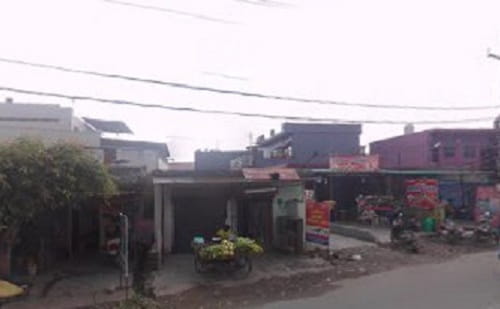
Ayodhya Chowk is a prominent and culturally significant junction located in Ayodhya. Known for its proximity to religious landmarks and its role in city connectivity, this chowk serves as an important point for both pilgrims and local residents. Over the years, Ayodhya Chowk has developed into a vital hub that supports transportation, commerce, and tourism in the city.
Situated in Uttar Pradesh, Ayodhya is one of the most sacred cities in India, attracting millions of visitors every year. Ayodhya Chowk plays a crucial role in managing the movement of people and vehicles, especially during festivals and religious events. Its importance continues to grow as the city undergoes rapid development and modernization.

Quick Overview of Ayodhya Chowk
| Feature | Details |
| Location | Ayodhya Chowk, Ayodhya, Uttar Pradesh |
| Type | Religious and commercial junction |
| Connectivity | City roads, links to major temples and highways |
| Metro Access | No metro connectivity |
| Nearby Areas | Ram Janmabhoomi, Hanuman Garhi, Faizabad |
| Importance | Religious, tourism, and transit hub |
| Traffic Level | High to Very High |
Google Map Location of Ayodhya Chowk
Ayodhya Chowk is strategically located in the heart of Ayodhya, making it easily accessible from different parts of the city. The chowk lies close to major religious and cultural landmarks, including the famous Ram Janmabhoomi and Hanuman Garhi.
The surrounding area includes bustling markets, dharamshalas, and residential neighborhoods that cater to pilgrims and tourists. Its central position ensures smooth connectivity to nearby towns such as Faizabad.
Due to its religious significance and accessibility, Ayodhya Chowk is widely recognized as a key landmark in the city.
Connectivity at Ayodhya Chowk
Connectivity is one of the strongest aspects of Ayodhya Chowk. The junction connects major city roads that lead to temples, markets, and residential areas, ensuring smooth movement of traffic.
The chowk provides access to highways that connect Ayodhya with other cities in Uttar Pradesh, making it an important transit point for pilgrims and travelers.
Public transportation options such as buses, auto-rickshaws, and cycle-rickshaws are widely available. These services help manage the large number of visitors coming to the city.
However, due to heavy footfall and traffic, congestion is common, especially during festivals and religious events. Traffic management measures are implemented to control the flow.
Metro Connectivity at Ayodhya Chowk
Currently, Ayodhya does not have a metro system, and therefore, Ayodhya Chowk does not have metro connectivity.
Commuters rely on road-based transportation and railway services for travel. The nearby Ayodhya railway station provides connectivity to major cities across India.
Future infrastructure projects may introduce advanced transport systems, but for now, road and rail transport remain the primary modes.
Nearby Places Around Ayodhya Chowk
Ayodhya Chowk is surrounded by several important places that contribute to its significance. The Ram Janmabhoomi is one of the most important धार्मिक sites, attracting devotees from across the country.
Hanuman Garhi is another major temple located nearby, known for its religious importance. Faizabad, now part of Ayodhya district, offers additional facilities such as hotels, markets, and transportation hubs.
The presence of ghats, temples, and cultural sites makes the area around Ayodhya Chowk vibrant and spiritually significant.
Religious and Commercial Importance
Ayodhya Chowk holds immense religious and commercial importance. It serves as a gateway for pilgrims visiting major temples and religious sites in the city.
The area around the chowk is filled with shops selling पूजा items, souvenirs, and local products. Hotels, restaurants, and guesthouses cater to tourists and visitors.
The combination of religious tourism and commercial activity makes Ayodhya Chowk an essential part of the city’s economy.
Residential Significance
The areas surrounding Ayodhya Chowk offer a mix of residential options, including traditional homes and modern accommodations. Many residents are involved in tourism-related businesses.
Residents benefit from access to markets, healthcare facilities, and educational institutions. The presence of essential services ensures a functional living environment.
Despite the busy nature of the chowk, the area maintains a sense of community and cultural identity.
Infrastructure and Urban Development
Infrastructure around Ayodhya Chowk has improved significantly in recent years, especially with the development of religious tourism. Roads have been widened, and facilities have been upgraded to accommodate visitors.
Street lighting, cleanliness, and public amenities have been enhanced to improve the overall experience. Ongoing development projects aim to further modernize the city.
However, challenges such as crowd management and traffic congestion remain during peak seasons.
Why Ayodhya Chowk is Important
Ayodhya Chowk is a vital junction that connects religious, commercial, and residential areas in Ayodhya. Its strategic location and cultural significance make it an essential part of the city’s infrastructure.
The chowk supports tourism, daily commuting, and economic activity. Its importance continues to grow as Ayodhya develops as a major religious destination.
For pilgrims, residents, and visitors, Ayodhya Chowk serves as a central point of connectivity, spirituality, and activity.
FAQs About Ayodhya Chowk Ayodhya
Q1. Where is Ayodhya Chowk located?
Ayodhya Chowk is located in Ayodhya.
Q2. Is there a metro station at Ayodhya Chowk?
No, Ayodhya currently does not have a metro system.
Q3. Why is Ayodhya Chowk important?
It is a key junction connecting major religious and commercial areas.
Q4. What are the nearby places?
Nearby places include Ram Janmabhoomi and Hanuman Garhi.
Q5. Is Ayodhya Chowk a busy area?
Yes, it experiences high traffic, especially during festivals.