Deciding which path to take during pregnancy often feels like a heavy burden because every choice seems to carry so much weight for the family’s future. Most parents just want to know that everything is progressing as it should, and they find themselves looking at different medical terms that sound a bit scary at first. It is quite common to feel overwhelmed when doctors mention various ways to check the baby’s health, because the names of the tests are long and the differences are not always clear right away. The choice usually comes down to whether you want a quick check from a blood sample or a more direct look through a medical procedure.
Understanding The Simple Differences Between A Screen And A Diagnostic Test
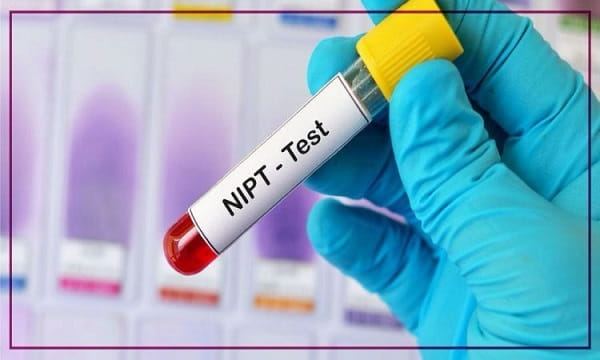
When you look at how these two options work, it helps to think of one as a wide lens and the other as a microscope that looks at the actual cells. A screening option like the NIPT test in pregnancy is essentially a highly advanced blood draw that detects tiny bits of DNA from the placenta that float through the mother’s blood. This is very safe because it does not involve anything entering the womb, and it provides a very good indication of the likelihood of certain genetic conditions.
A screening result is not a final yes or no, but rather a way to determine whether more steps are needed later. On the other side of things, you have amniocentesis, which is a procedure where a doctor uses a needle to take a small amount of fluid from around the baby. This fluid contains real cells from the baby, so the results are highly reliable and can confirm a diagnosis that a screening test might only suggest. Clinics like Medgenome offer support for these types of screenings to help parents get the information they need in a calm, manageable way. Families often choose the blood test first because it is easy to perform, and then proceed to the more involved procedure if the initial results indicate something that needs closer inspection.
Thinking Through The Timing And The Risks Of Each Path
The timing of these tests is another thing that people think about a lot because you can do a non-invasive prenatal screening test much earlier in the pregnancy than an amniocentesis. Being able to get answers as early as ten weeks makes a big difference in how parents plan their next few months, and it helps settle their minds during those first few nervous weeks. An amniocentesis usually has to wait until the second trimester, which can feel like a long time to wait if you are already worried about something specific.
There is also the matter of physical comfort and safety, because while the blood test has no risk of miscarriage, the more direct procedure does have a very small risk because it is invasive. This risk is very low when done by experts, but it is still a factor people weigh when deciding what feels right for their situation.