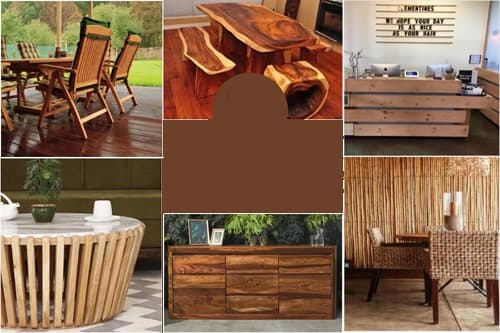
Doors and windows are not just design elements. They take daily wear, face sunlight, handle moisture, and deal with dust, heat, and changing seasons. In India, this becomes even more important because weather conditions vary so much—from coastal humidity to dry inland heat. If the wood is not chosen carefully, you may face problems like swelling, cracks, or termite damage within a few years.
A good wood choice gives strength, security, and long life. It also improves the overall look of your home. Some woods are naturally resistant to moisture and pests, while others are cheaper but need more maintenance. So instead of going by price alone, it’s better to understand what works best for Indian homes.
Here are the top five types of wood commonly used for doors and windows in India, along with their strengths and limitations.
1. Teak Wood (Sagwan)
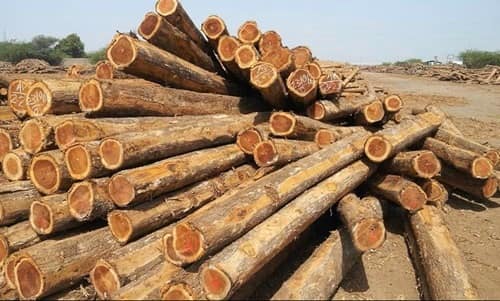
Teak is widely considered the best wood for doors and windows in India. It is strong, durable, and naturally resistant to termites, moisture, and decay.
This makes teak perfect for both indoor and outdoor use. It handles rain, humidity, and sunlight without much damage. That’s why it is commonly used for main doors and window frames.
Teak also has a rich golden-brown color that gives a premium look. Over time, it becomes even more attractive.
The only drawback is cost. Teak is expensive, but it is often seen as a one-time investment because of its long life and low maintenance.
2. Sal Wood
Sal wood is known for its toughness and strength. It is one of the most durable woods available in India, especially for structural use.
It is highly resistant to wear and tear, which makes it suitable for heavy doors and window frames. Sal wood also performs well in areas where furniture and fittings are used roughly.
However, it does not have the same smooth finish or premium appearance as teak. It is more practical than decorative. It is also quite heavy, which can make installation slightly difficult.
3. Sheesham Wood (Indian Rosewood)
Sheesham is a popular choice for interior doors and windows. It is strong, durable, and more affordable than teak.
One of its biggest advantages is its beautiful grain pattern, which gives a rich and classic look. It works well in homes that want both durability and style.
Sheesham has moderate resistance to termites and decay, but it usually needs polishing or treatment to improve its life. It is better suited for indoor use rather than exterior doors exposed to heavy rain.
4. Deodar Wood
Deodar wood is commonly used in hilly regions of India. It has natural resistance to moisture, decay, and insects.
This wood is lightweight compared to teak and sal, which makes it easier to handle and install. It also has a pleasant natural aroma due to its oil content.
Deodar performs well in moderate climates and is suitable for both doors and window frames. However, it is not as strong as teak or sal, so it may not be ideal for heavy main doors.
5. Engineered Wood (Plywood/Flush Doors)
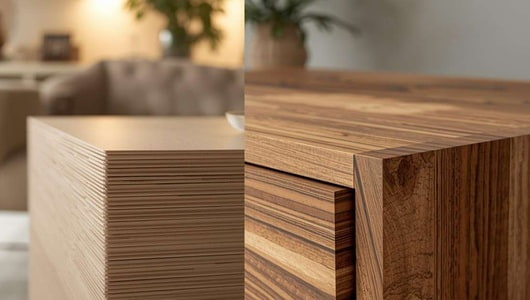
Engineered wood is widely used today, especially in modern homes and apartments. Flush doors made from plywood or blockboard are common because they are cost-effective and easy to install.
These doors usually have a solid core with a plywood surface, making them stable and less prone to warping. When combined with laminates or veneers, they can look stylish and modern.
However, engineered wood is not as durable as solid wood. It may not handle long-term exposure to water or harsh weather. So it is best used for interior doors rather than main entrances or outdoor windows.
Key Factors to Consider Before Choosing
Before selecting wood for doors and windows, keep these points in mind:
Climate:
If you live in a humid or coastal area, choose wood like teak or marine-grade materials that resist moisture.
Usage:
Main doors need stronger wood like teak or sal. Interior doors can work well with sheesham or engineered wood.
Budget:
Teak is premium, while sal and sheesham offer a balance. Engineered wood is the most affordable option.
Maintenance:
Some woods need regular polishing and care. If you prefer low maintenance, go for treated or naturally resistant wood.
Final Thoughts
The right wood for doors and windows depends on your needs, location, and budget. Teak remains the best overall choice for durability and resistance. Sal is ideal for strength. Sheesham offers a balance of cost and style. Deodar works well in specific climates, while engineered wood suits modern, budget-friendly homes.
Doors and windows are long-term investments. Choosing the right material once can save you from repairs and replacements for years. So take your time, understand your environment, and go for quality over shortcuts.