Proper ventilation plays a crucial role in maintaining a healthy and comfortable living environment. In many Indian homes, especially in cities, poor airflow can lead to issues like humidity, bad odors, and even respiratory discomfort. While air conditioners and exhaust fans help, natural ventilation remains the most effective and energy-efficient solution. Therefore, understanding simple ways to improve airflow can enhance both comfort and health in daily life.
Open Windows Strategically
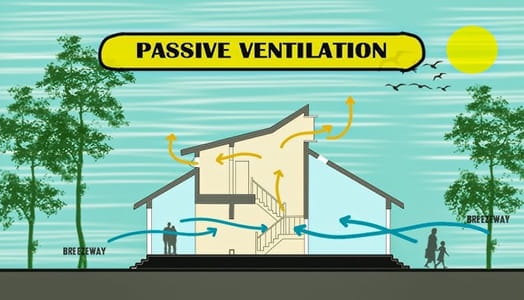
One of the simplest ways to improve ventilation is by opening windows at the right time and in the right way. Cross-ventilation allows fresh air to enter while pushing stale air out. Consequently, airflow improves naturally.
- Open windows on opposite sides of the house
- Allow fresh air during early morning and evening
- Keep windows partially open for continuous airflow
- Avoid blocking windows with heavy furniture
As a result, indoor air becomes fresher. Therefore, proper window usage is essential.
Use Doors to Create Airflow
Doors can also help in improving ventilation when used correctly. Keeping internal doors open allows air to circulate freely between rooms. Consequently, this improves overall airflow.
- Keep room doors open whenever possible
- Align doors with windows for better cross-ventilation
- Avoid closing doors unnecessarily
- Use mesh doors to allow airflow while keeping insects out
As a result, air moves smoothly throughout the home. Therefore, door placement plays an important role.
Maximize Natural Light and Air Entry
Natural light and air often go hand in hand. Bright spaces feel more open and airy. Consequently, increasing access to sunlight also improves ventilation.
- Use light-colored curtains that allow airflow
- Keep windows clean for better light entry
- Avoid heavy drapes that block air
- Use sheer fabrics for better ventilation
As a result, rooms feel more spacious and fresh. Therefore, natural light enhances airflow.
Use Indoor Plants Wisely
Indoor plants not only beautify the home but also improve air quality. While they do not replace ventilation, they support a healthier environment. Consequently, they enhance freshness.
- Place plants near windows for better air circulation
- Choose low-maintenance indoor plants
- Avoid overcrowding with too many plants
- Keep plants clean and well-maintained
As a result, indoor air feels cleaner. Therefore, plants can complement ventilation.
Keep Spaces Uncluttered
Clutter blocks airflow and makes rooms feel stuffy. By organizing spaces properly, air can move freely. Consequently, ventilation improves.
- Avoid overcrowding rooms with furniture
- Keep pathways clear for air movement
- Arrange furniture away from windows
- Declutter regularly
As a result, airflow becomes smoother. Therefore, minimal clutter supports better ventilation.
Use Ventilators and Skylights
Traditional Indian homes often include ventilators or skylights that help release hot air. These features improve airflow naturally. Consequently, indoor temperature remains balanced.
- Install ventilators near ceilings
- Use skylights to allow hot air to escape
- Ensure vents are not blocked
- Clean ventilators regularly
As a result, warm air exits and fresh air enters. Therefore, these features are highly effective.
Take Advantage of Natural Air Flow Patterns
Understanding how air moves can help improve ventilation. Cool air enters from lower areas, while warm air rises and exits. Consequently, managing this flow enhances comfort.
- Open lower windows for cool air entry
- Allow hot air to escape through upper openings
- Use ceiling fans to support air circulation
- Align openings with wind direction
As a result, natural airflow becomes more efficient. Therefore, using natural patterns is beneficial.
Maintain Clean Air Pathways
Dust and dirt can block airflow and reduce ventilation efficiency. Keeping air pathways clean ensures better circulation. Consequently, indoor air quality improves.
- Clean windows and vents regularly
- Remove dust from fans and surfaces
- Avoid blocking air passages
- Maintain cleanliness in all rooms
As a result, airflow remains uninterrupted. Therefore, cleanliness is essential for ventilation.
Conclusion
Improving ventilation in your home naturally does not require expensive solutions. By using simple methods such as opening windows strategically, reducing clutter, and maximizing natural airflow, individuals can create a healthier and more comfortable living space. Additionally, features like ventilators and proper layout further enhance air circulation. Therefore, with mindful adjustments and consistent habits, natural ventilation can significantly improve daily life.
FAQs
Q1. Why is natural ventilation important?
Natural ventilation improves air quality, reduces humidity, and promotes better health.
Q2. How can I improve airflow without using electricity?
You can open windows and doors strategically and reduce clutter to allow air movement.
Q3. Do indoor plants improve ventilation?
Plants improve air quality but should be combined with proper airflow for best results.
Q4. What is cross-ventilation?
It is the movement of air between two opposite openings, allowing fresh air to circulate.
Q5. How often should I ventilate my home?
It is best to ventilate your home daily, especially during morning and evening hours.