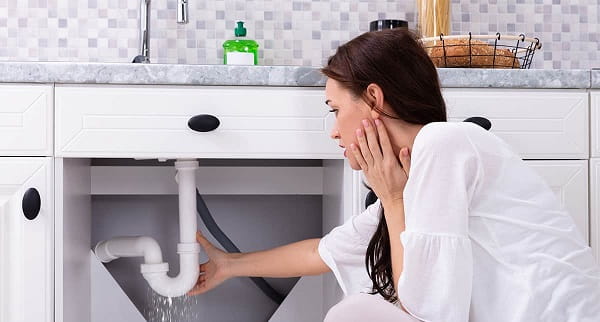
Many homeowners pay attention to the taste, colour, or clarity of their water but often overlook one of the most common water quality issues: hard water. Hard water contains high levels of dissolved minerals such as calcium and magnesium. While these minerals are not harmful to health, they can quietly cause a wide range of problems throughout a home. Unfortunately, many of these issues become noticeable only after they have already caused damage or reduced the efficiency of household systems.
Understanding the hidden effects of hard water and the role of water softeners can help homeowners protect their appliances, plumbing, and overall water experience.
Scale Buildup Inside Plumbing Systems
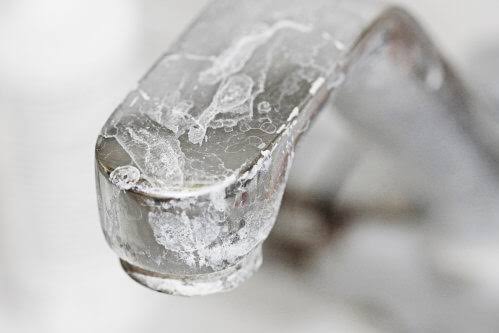
One of the earliest yet least visible consequences of hard water is scale formation inside pipes. As mineral-rich water flows through plumbing systems, calcium and magnesium deposits gradually accumulate along pipe walls.
Over time, this buildup can restrict water flow, reduce water pressure, and increase strain on the plumbing network. Because the deposits develop slowly and out of sight, homeowners often notice the problem only when water pressure drops significantly or plumbing repairs become necessary.
Reduced Efficiency of Water Heaters and Geysers
Hard water is particularly troublesome for water-heating appliances. Mineral deposits accumulate on heating elements and inside storage tanks, creating an insulating layer that makes it harder for heat to transfer efficiently.
As a result, geysers and water heaters may take longer to heat water and consume more electricity. The increased energy usage often goes unnoticed until utility bills begin to rise. In severe cases, excessive scaling can shorten the lifespan of the appliance and lead to costly maintenance.
Appliance Damage and Higher Maintenance Costs
Many household appliances rely on water for daily operation, including washing machines, dishwashers, coffee makers, and water dispensers. Hard water minerals can accumulate within these appliances, reducing their efficiency and increasing wear and tear.
Homeowners often replace or repair appliances without realising that hard water is a major contributing factor. Preventing mineral buildup can significantly extend appliance life and reduce long-term maintenance expenses.
Soap and Detergent Performance Issues
Another common but frequently overlooked problem is the way hard water affects cleaning products. Minerals in hard water react with soap and detergents, reducing their effectiveness.
This can lead to:
- Soap scum on bathroom surfaces
- Spots and streaks on dishes and glassware
- Reduced lather while bathing
- Increased detergent consumption
Many homeowners assume they simply need stronger cleaning products, when the actual issue lies in the water quality itself.
Effects on Skin, Hair, and Fabrics
Hard water can also impact personal comfort. Mineral residues left behind after bathing may contribute to dry skin, dull hair, and a less refreshing bathing experience.
Similarly, clothes washed in hard water may feel rough, lose their softness more quickly, and appear faded over time. While these effects develop gradually, they often become noticeable after months or years of exposure.
Why Water Softeners Play an Important Role
The most effective way to address hard water problems is by installing a water softener. Water softeners are designed to remove excess calcium and magnesium before the water reaches household fixtures and appliances.
By treating water at the source, a softener helps:
- Prevent scale buildup in pipes
- Improve geyser and water heater efficiency
- Extend appliance lifespan
- Enhance soap and detergent performance
- Reduce cleaning effort around the home
- Improve the feel of water on skin, hair, and fabrics
Rather than dealing with the costly consequences of hard water after they appear, water softeners provide a proactive solution that protects multiple aspects of the home simultaneously.
Conclusion
Hard water problems often develop slowly, making them easy to overlook until noticeable damage has already occurred. From plumbing and appliances to energy efficiency and daily comfort, the effects can impact nearly every part of a household. Investing in a water softener helps prevent these hidden issues, ensuring better water quality, improved appliance performance, and long-term savings for homeowners.