Storing cooked food in the refrigerator is a common practice that helps extend its shelf life and maintain freshness. However, many people unknowingly make mistakes that can lead to spoilage, loss of nutrients, and even health risks. While refrigeration slows down bacterial growth, improper storage methods can still allow contamination. Therefore, understanding these common mistakes can help individuals store food safely and efficiently.
Storing Hot Food Directly in the Fridge
One of the most frequent mistakes is placing hot food straight into the refrigerator. While it may seem convenient, this practice can raise the internal temperature of the fridge. Consequently, it affects other stored items.
- Hot food increases fridge temperature temporarily
- Condensation forms, leading to moisture buildup
- Bacterial growth may increase due to warmth
- Other foods may spoil faster
As a result, overall food safety gets compromised. Therefore, allowing food to cool slightly before refrigeration is important.
Using Improper Containers
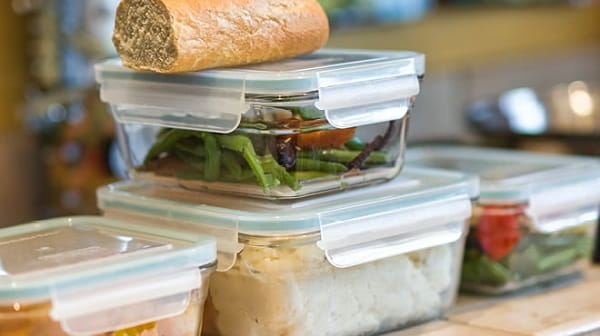
The type of container used for storage plays a significant role in maintaining food quality. Many people use open bowls or low-quality containers, which can expose food to air and bacteria. Consequently, spoilage becomes more likely.
- Open containers allow contamination
- Poor-quality plastic may affect food safety
- Lack of airtight sealing reduces freshness
- Mixing different foods in one container causes odor transfer
As a result, food loses its taste and quality. Therefore, using airtight and food-safe containers is essential.
Overcrowding the Refrigerator
Overloading the fridge is another common mistake. When too many items are stored together, proper air circulation is blocked. Consequently, cooling becomes uneven.
- Poor airflow affects temperature distribution
- Some food items may not cool properly
- Increased risk of spoilage
- Difficulty in organizing and locating food
As a result, food safety decreases. Therefore, maintaining space inside the fridge improves efficiency.
Not Labeling or Tracking Storage Time
Many people forget when they stored cooked food. Without proper labeling, it becomes difficult to determine freshness. Consequently, expired food may be consumed unknowingly.
- No record of storage date
- Risk of eating stale or spoiled food
- Food may stay in the fridge longer than safe
- Increased chances of food waste
As a result, both health and hygiene are affected. Therefore, labeling containers with dates helps track freshness.
Storing Food for Too Long
Even when refrigerated, cooked food does not last forever. Keeping it for extended periods increases the risk of spoilage. Consequently, food may become unsafe to eat.
- Bacteria can still grow slowly in cold conditions
- Nutritional value decreases over time
- Taste and texture deteriorate
- Higher risk of foodborne illnesses
As a result, consuming old food can be harmful. Therefore, it is important to eat stored food within a safe timeframe.
Improper Placement Inside the Fridge
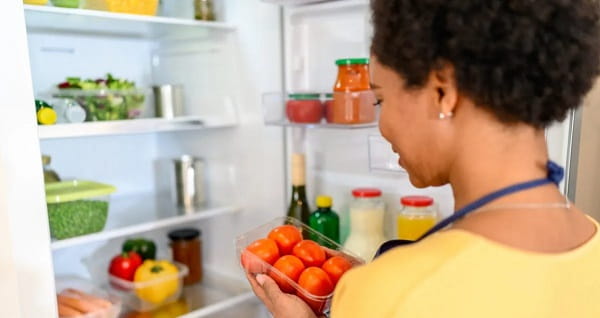
Different sections of the refrigerator have different temperature levels. Placing food randomly can affect how well it is preserved. Consequently, improper placement leads to uneven cooling.
- Storing cooked food near the door exposes it to temperature changes
- Keeping items in warm zones increases spoilage risk
- Mixing raw and cooked food leads to contamination
- Not using designated shelves properly
As a result, food safety decreases. Therefore, organizing the fridge correctly is important.
Reheating Food Multiple Times
Repeated reheating of stored food is a common habit that affects both quality and safety. Each time food is reheated and cooled again, bacteria can grow. Consequently, this increases health risks.
- Nutritional value reduces with repeated heating
- Taste and texture deteriorate
- Increased risk of contamination
- Higher chances of digestive issues
As a result, food becomes less safe over time. Therefore, reheating only the required portion is recommended.
Ignoring Cleanliness of the Refrigerator
A clean refrigerator is essential for safe food storage. However, many people neglect regular cleaning. Consequently, bacteria and odors build up inside the fridge.
- Spills and leftovers create contamination
- Unclean shelves spread bacteria
- Bad odors affect stored food
- Mold growth may occur in neglected areas
As a result, hygiene standards drop. Therefore, cleaning the fridge regularly is necessary.
Conclusion
Storing cooked food in the refrigerator is effective only when done correctly. Common mistakes such as improper cooling, poor container use, overcrowding, and lack of hygiene can lead to spoilage and health risks. Therefore, individuals must adopt better storage practices, organize their fridge properly, and monitor food freshness. By doing so, they can ensure safer meals, reduce waste, and maintain overall well-being.
FAQs
Q1. Can I store hot food directly in the fridge?
A: No, it is better to let food cool slightly before placing it in the refrigerator.
Q2. How long can cooked food stay in the fridge?
A: Cooked food should generally be consumed within 2–3 days.
Q3. Why is it important to use airtight containers?
A: Airtight containers prevent contamination and help maintain freshness.
Q4. Is reheating food multiple times safe?
A: No, repeated reheating can increase the risk of bacterial growth.
Q5. How often should I clean my refrigerator?
A: It is recommended to clean your fridge at least once a week.